

The Allure of the Casino Environment
The psychological appeal of casinos often begins with their environment. The visual and auditory stimuli designed to entice patrons create an atmosphere of excitement and thrill. Bright lights, vibrant colors, and the sounds of coins clinking or slot machines ringing reinforce the perception that winning is just within reach. This sensory overload can generate a euphoric state, leaving individuals feeling more adventurous and willing to take risks, especially when considering anonymous crypto casinos that provide an intriguing alternative.

Moreover, the layout of casinos is deliberately crafted to keep players engaged. The placement of games, lack of clocks, and the absence of windows create an immersive experience where time seems irrelevant. This design fosters prolonged gambling sessions, as players become absorbed in the moment, often forgetting their initial intentions or limits.
The Role of Luck and Superstition
Gambling is inherently unpredictable, and this element of chance plays a significant role in its appeal. Many players cling to the belief that luck can be influenced through rituals or superstitions. Whether it’s wearing a lucky charm or following a specific routine before playing, these actions can provide a sense of control over the uncertain outcomes associated with gambling.
This psychological phenomenon can lead to an illusion of control, where players mistakenly believe they can predict or influence results. This belief not only heightens the thrill of gambling but also perpetuates ongoing play, even in the face of losses. Understanding this mindset helps clarify why many individuals are drawn to the allure of casinos despite the odds often being stacked against them.
The Thrill of Winning and Loss Aversion
The excitement generated from the potential of winning is a powerful motivator for many gamblers. Winning can trigger the brain’s reward system, releasing dopamine and creating feelings of pleasure and elation. This positive reinforcement reinforces the desire to continue playing, as players chase after that exhilarating high. The anticipation of a win can be just as compelling as the win itself, driving players to gamble more frequently.
Conversely, the psychology of loss aversion also plays a crucial role. Research indicates that losses are felt more acutely than equivalent gains, which means that the fear of losing can lead people to gamble in hopes of recovering their losses. This cycle often traps individuals in a pattern of gambling behavior that is difficult to escape, as they justify their continued play with the hope of a rebound.
The Social Aspect of Gambling
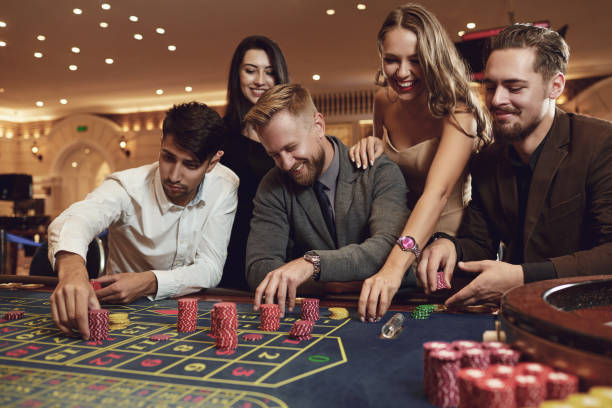
Gambling isn’t just about the games; it’s also a social activity. Many individuals enjoy the camaraderie and shared experiences that come with visiting casinos. Whether it’s the excitement of cheering on friends at a table or the thrill of competing against others, social interaction enriches the gambling experience and fosters a sense of belonging.
This social dynamic can also lead to increased gambling behavior, as people may be influenced by peers or feel pressure to participate in group activities. The shared highs and lows create a collective thrill that can heighten the overall enjoyment, making individuals more likely to engage in gambling even when they might not otherwise choose to do so alone.
Prioritizing Safe Gambling Practices
While understanding the psychology behind gambling can illuminate why individuals engage with casinos, it is crucial to emphasize the importance of responsible gambling. Awareness of the psychological triggers can aid players in recognizing their behavior and setting limits to ensure their enjoyment does not lead to addiction or financial issues.
Websites dedicated to promoting responsible gambling often provide resources to help individuals recognize the signs of problematic gambling. They emphasize the importance of establishing budgets, taking regular breaks, and seeking professional help if needed. Ensuring a safe gambling experience is vital in allowing individuals to enjoy the thrill of casinos without compromising their well-being.